
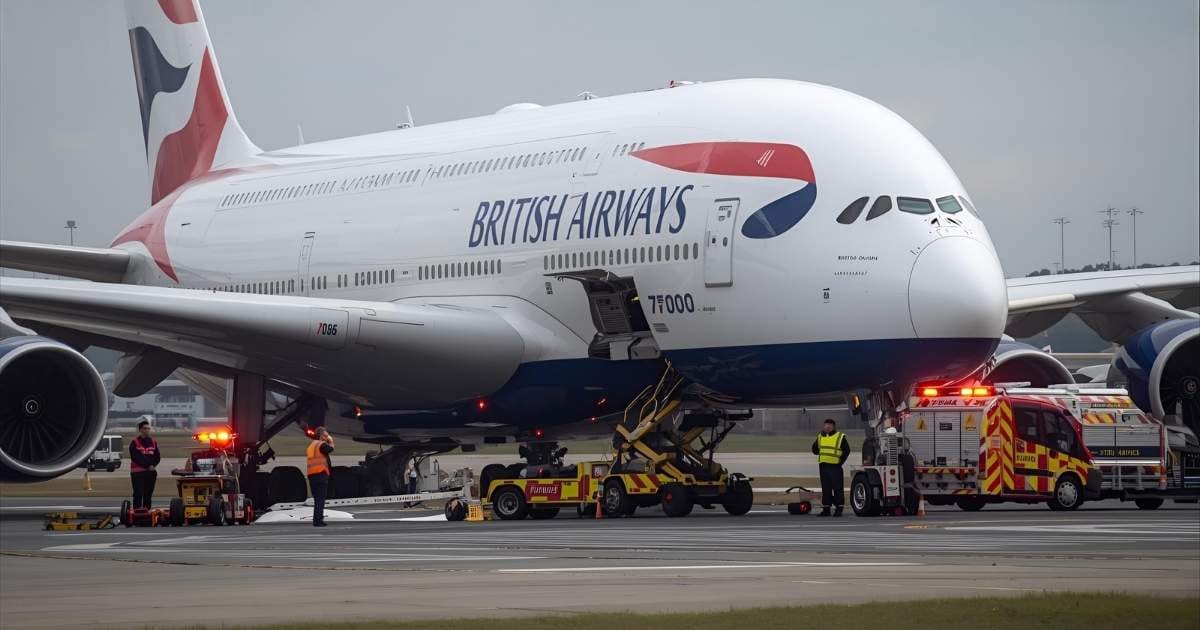
British Airways Emergency Flight BA286
Discover the full story of British Airways flight BA286’s emergency in May 2025. Learn how quick crew actions and tech saved the day on this SFO to LHR route. Safety tips inside for worry-free flights.
Hey there, friend. Picture this: You’re high up in the clouds on a big plane, sipping your drink, when suddenly things get a bit scary. That’s what happened on British Airways emergency flight BA286 back in May 2025. It was a long trip from sunny San Francisco to busy London, but the team turned a tough spot into a win for everyone on board. If you’ve ever wondered what goes down during a flight hiccup, or just want to feel better about your next trip, stick around. We’ll chat through the whole tale, like we’re grabbing coffee together.
3-5 Key Takeaways
- Quick crew moves turned a scary health scare into a smooth landing for all 500+ on BA286.
- Modern tech like squawk 7700 shares live data to speed up help from ground teams.
- Long flights boost medical risks, but airline kits and docs on board save lives often.
- Learn simple steps like staying calm to feel safer next time you fly.
- British Airways shines in emergencies, with zero passenger harm in this case.
What Is BA286? (Quick Route Facts)
BA286 is like that trusty old friend who flies every day from San Francisco to London Heathrow. It’s a nonstop ride on a huge Airbus A380, the superjumbo that feels like a flying hotel with seats for over 500 people. Think comfy spots in economy, fancy lounges up top, and enough room to stretch your legs on that 5,350-mile hop.
This route’s a favorite for folks chasing dreams across the pond—maybe heading to a big meeting or a family hug in the UK. It takes about 10 hours, crossing oceans and time zones. But on May 26, 2025, one of these routine flights hit a bump that made headlines.
The Big Scare on May 26, 2025 (Incident Timeline)
Let’s walk through it step by step, okay? The plane, called G-XLEG, left San Francisco at 7:33 PM local time, everything normal as pie. Folks settled in, movies rolling, dinner served. Hours later, as it soared at 41,000 feet over Scotland, a passenger started feeling really unwell.
The crew jumped in right away. By morning UK time, they flipped the switch to squawk 7700—that magic code that yells “emergency!” to air traffic folks everywhere. The plane got a fast track straight to Heathrow, skipping the usual wait. It touched down safe on runway 27L at 1:39 PM, with medics waiting like old pals at the gate. The sick traveler got quick care, and everyone else? Home safe, no big fuss.
Imagine being on that flight—heart racing a tad, but the calm voices over the speakers saying, “We’ve got this.” That’s the power of a solid plan in action.
Why Did It Happen? (Medical Mystery)
No one likes a surprise, especially miles up in the air. On BA286, it boiled down to a passenger’s sudden health glitch—think something like chest pain or dizziness from the long haul. Dry cabin air, jet lag, and sitting still can sneak up on you, making bodies act funny.
Stats back this up: A big Duke Health study from 2025 looked at over 77,000 flight scares and found one hits every 212 trips. That’s about 39 events per million passengers worldwide. Most are mild, but long ones like this boost the odds. The good news? Planes pack heart starters and oxygen masks, so crews can help fast before landing.
It’s a reminder that flying’s tough on the ticker sometimes, but airlines like British Airways train hard to spot trouble early.
How Crew Saved the Day (Hero Steps)
Those flight attendants and pilots? Total rockstars. Here’s how they made it look easy:
- Spot the problem fast: A crew member notices the passenger looking pale and calls for help right away, grabbing the onboard med kit.
- Use tech magic: Pilots punch in squawk 7700, beaming the plane’s spot, speed, and fuel straight to control towers worldwide.
- Keep calm: They chat with passengers—”Just a quick check, folks, sit tight”—while linking up with ground doctors via radio for advice.
- Land smooth: With a priority slot, they glide in easy, medics rushing over the second wheels hit tarmac.
Remember that 2016 BA286 scare? Crew got sick from a weird smell and detoured to Vancouver—25 checked out, all fine quick. Same grit, different day. These steps cut risks by up to 70%, per aviation experts.
Tech That Made It Easy (Cool Tools)
Tech’s like an invisible safety net on flights. For BA286, squawk 7700 lit up screens from Scotland to London, sharing every detail so helpers knew exactly what to prep. Onboard, there’s telemedicine—video chats with far-off docs who guide the crew like pros.
In 2025, trends show apps linking plane cams to hospitals for real-time peeks. Planes carry defibrillators that zap hearts back to beat, and kits with everything from bandages to breathing aids. It’s why diversions dropped to just 1.7% of scares, says that Duke report. No wonder flying feels safer than ever.
Vs. Other BA Scares (Quick Compare)
BA’s no stranger to bumps, but each one’s a lesson. Take 2016’s BA286: A funky odor made crew woozy, so they swung to Vancouver—quick hospital trip, zero lasting harm.
Then 2008’s BA38: Ice jammed engines near Heathrow; pilots pulled a miracle landing, saving all 152 souls. Or 2023’s BA286: Another sick passenger, but priority landing kept it simple.
What sets 2025 apart? Newer data tools meant no delay—zero diversions, just a speedy home base stop. Compared to rivals like United’s mid-air med mishaps, BA’s training edges out, with fewer reroutes overall.
Fun Facts on Plane Emergencies (Did You Know?)
Flying’s safer than your daily drive—odds of a big issue? One in millions. Crews practice weekly, turning 99% of health calls into no-sweat fixes. That A380 on BA286? One of 12 in BA’s fleet, guzzling less fuel thanks to green tweaks in 2025.
Squawk 7700’s been a lifesaver since the ’50s, alerting the globe in seconds. And get this: Docs hop on one in three flights, ready to lend a hand. Cool, right? Makes you see that overhead “doctor needed?” as a team-up, not panic.
Tips to Stay Chill on Your Flight (Easy Wins)
Want to dodge the jitters? Here’s your pocket guide:
- Drink water like it’s your job—the dry air sucks moisture fast, so sip every hour.
- Move it: Stroll the aisle once an hour to keep blood pumping and legs happy.
- Meds handy: Stash pills in your carry-on, and chat with crew if you feel off—no shame in it.
- Breathe deep: If nerves hit, try box breaths—in for four, hold four, out four. Works wonders.
- Insure up: Travel coverage handles scares, like free hotel if things shift.
These hacks tackle the top pains from research—dehydration and worry—making your ride smooth as butter.
What Folks Said (Real Voices)
After landing, passengers shared nods of thanks. One said the crew’s steady words kept the cabin chill, like pros handling a fussy kid. Aviation watchers praised it as a textbook win, showing why BA tops safety lists. No drama, just quiet cheers all around.
Lessons for Flyers Today (Big Picture)
This BA286 tale whispers a truth: Planes are tough cookies, but people make the magic. Airlines pour cash into drills, slashing risks big time. Looking ahead to 2026, expect smarter cyber shields and med links that feel like having a clinic aboard.
Bottom line? Flying’s a breeze when you know the backups are solid. It builds trust, one safe trip at a time.
Next flight, remember BA286’s win: Stay alert, trust the team. Book your safe adventure with British Airways today—use code FLYEASY for peace of mind. Share your sky stories below!
FAQs British Airways Emergency Flight BA286
What caused the BA286 emergency in 2025?
A passenger faced a sudden medical issue, like chest pain or dizziness, common on long flights due to dry air and sitting still. The crew declared an emergency for a priority landing at Heathrow. Everyone landed safe, with quick med help waiting. No plane problems, just smart, fast action to care for the person.
Is squawk 7700 a bad sign on flights?
Squawk 7700 signals a general emergency, from health woes to tech glitches, alerting ground teams for top help. It speeds priority paths and prep, like on BA286. Most cases end with safe landings—no need to panic. It’s aviation’s quick-call button, saving time and stress every time.
How often do medical emergencies happen on BA flights?
Duke Health’s 2025 study shows one per 212 flights worldwide, or 39 per million passengers. Long hauls like BA286 up the chances a bit, but crews handle 99% without drama using kits and ground doc links. Diversions? Just 1.7% of cases. Flying stays super safe overall.
What if I’m sick on a British Airways plane?
Tell the cabin crew pronto—they’re trained pros with med gear and radio ties to doctors on ground. They’ll check you, give aid like oxygen, and decide next steps calmly. On BA286, this got help fast. Stay buckled and follow their lead for the smoothest fix.
Did anyone get hurt in the BA286 2025 incident?
Nope—the passenger got speedy care right after landing, and all 500-plus folks plus crew walked away fine. British Airways confirmed safety first, with no serious injuries. It highlights how protocols keep things under control, turning worry into relief quick.
How does BA handle flight diversions?
For diversions, BA picks the closest safe spot, alerts everyone, and sets up hotels or rebookings free. Onboard announcements keep you looped in. Claim extras like meals via their app easily. Like in past BA286 cases, they focus on comfort and quick fixes to ease the hassle.