
Meet cacilian, the legless amphibians that look like worms but hide big secrets. Learn fun facts, where they live, and cool 2025 finds in this easy read.
- Caecilians are amphibians, not worms or snakes, with ringed skin and tiny eyes.
- They dig in tropical dirt and use tentacles to smell their way around.
- Moms feed babies their own skin, like a super weird snack time.
- New kinds pop up in 2025, showing how much we still have to learn.
- These sneaky diggers help gardens by eating pests, so they are friends.
Hey, have you ever dug in the garden and found something that looks like a fat earthworm but moves funny? It might be a caecilian! These guys are hidden stars of the animal world. They live underground and surprise everyone who learns about them. Stick with me, and I will show you why caecilians are so cool in simple words.
Meet the Caecilian Basics
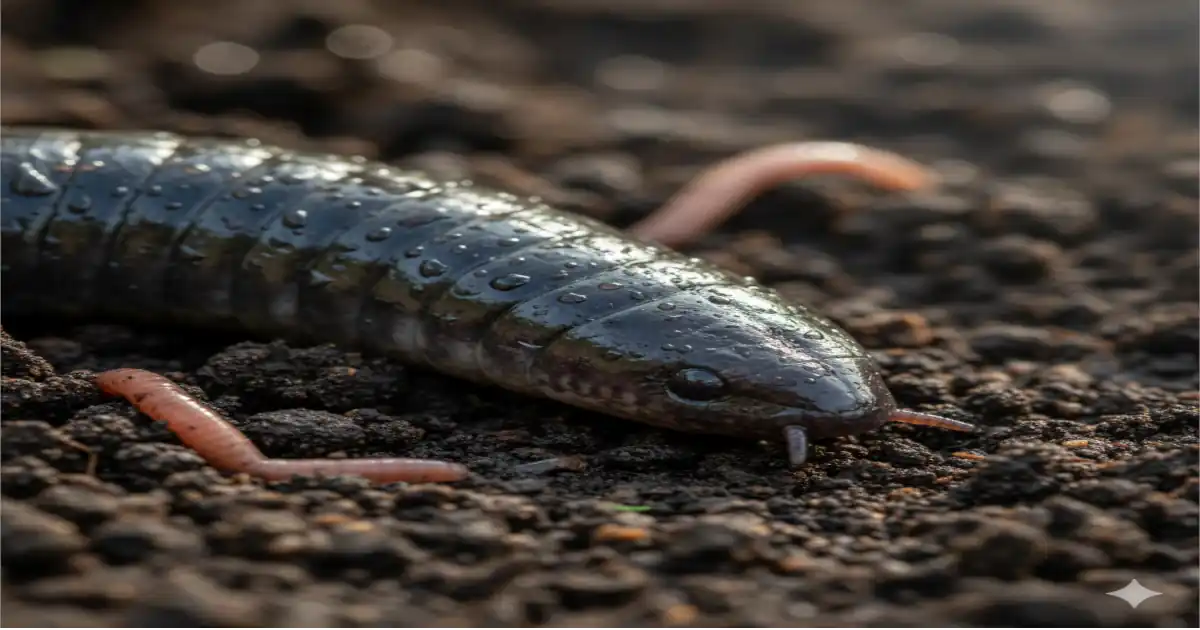
Caecilians belong to a group called Gymnophiona. That is a fancy word for legless amphibians. Picture a long, shiny tube with rings all over its body. Those rings are called annuli, and they help the caecilian squeeze through dirt.
Their heads are tough like a bullet to push soil away. Eyes are super small, often covered by skin, because they do not need to see much down there. Some even have no eyes at all! Instead, they use special tentacles on their face to sniff out food and friends.
Sizes change a lot. The tiniest caecilian is just 3.5 inches long, smaller than your hand. The biggest stretches to 5 feet, longer than a big dog! Colors are usually gray, brown, or black, but some shine yellow or blue inside when you look close.
About 200 kinds exist today. Experts say 80 percent of them lack enough study, so many secrets wait underground.
Where Caecilians Hide Out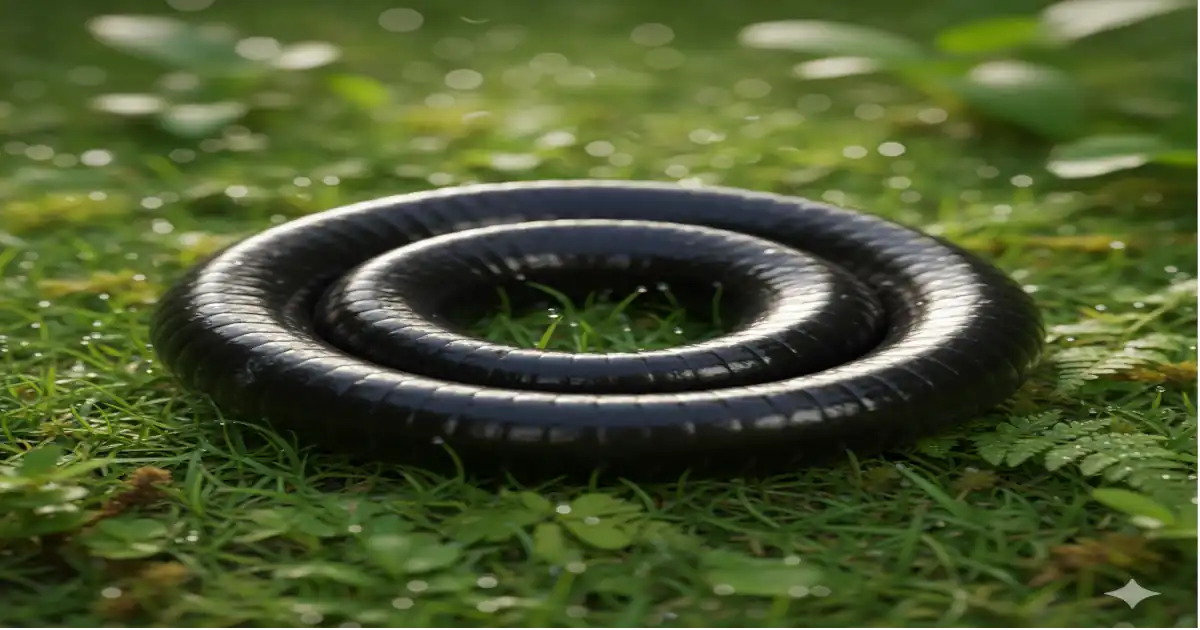
Caecilians love warm, wet places. You find them in South America, Africa, and parts of Asia. Think rainforests, jungles, and muddy river banks. They stay away from cold or dry spots.
Most burrow deep in soft soil. They twist and push to make tunnels. A few kinds live in water, like the rubber eel caecilian in Florida canals. These swim with side-to-side wiggles, just like eels.
Imagine you are in a Colombian stream. You might spot a caecilian sliding under rocks. Or in an Indian garden after rain, one pops up looking for worms. They hide well, so spotting one feels like finding treasure.
Their homes face trouble from farms and cities. When trees vanish, caecilians lose places to dig and stay safe.
Cool Adaptations of Caecilians
Living underground asks for smart body tricks. Caecilians have poor sight, but their tentacles act like mini noses. These poke out between eyes and nostrils to taste the air and soil. No other amphibian has tentacles, making caecilians special.
Teeth are sharp needles in two rows. They grab insects or small animals and swallow whole. The skull stays strong to ram through dirt without hurt.
Skin is thick and slimy. It protects from rough ground and lets them breathe right through it. Lungs help too, but skin does most of the work. Some gulp air at the surface now and then.
Compare to snakes: snakes have scales and good eyes, but no tentacles. Snakes are reptiles, while caecilians stay amphibians like frogs. Worms have no teeth or bones, so caecilians win in the hunter game.
Family Ways: Birth and Care
Caecilians pick two ways to have babies. Some lay eggs in damp holes near water. Eggs hatch into wiggly larvae with gills to swim and breathe.
Others give live birth. Moms carry babies inside until they are ready. No shell, just straight out into the world.
Here comes the wild part. Many moms let babies eat their outer skin. This skin grows thick and full of fat, like a meal. Babies peel it off with special teeth. It helps them grow strong and pick up good germs from mom.
One kind, Siphonops paulensis, makes skin with poison to keep babies safe from danger. Experts like Mark Wilkinson from the Natural History Museum say this skin feeding acts like milk for mammals. It is rare in amphibians and shows smart parenting.
Eating and Daily Grind
Caecilians hunt at night or deep down. They feel vibrations from bugs moving. Favorite foods include earthworms, termites, and ants. Some munch on small frogs or lizard babies.
They strike fast, bite, and pull prey into tunnels. No chewing, just gulp. Strong jaws crush shells if needed.
In gardens, caecilians act like pest control. They eat bugs that harm plants. If you see fewer termites, thank a caecilian nearby.
Breathing stays easy with wet skin. They avoid dry air to keep skin moist. In water kinds, gills on babies turn to lungs as they grow.
Threats and 2025 Spotlights
Habitat loss hurts caecilians most. Forests turn to farms, and soil dries out. Pollution in rivers kills water types. Since many live hidden, we miss how bad it gets.
The IUCN Red List marks some as endangered. Ten families exist, but data gaps make help hard. Conservation groups push for protected wet lands.
2025 brings exciting news. Scientists found the Grey Worm caecilian in Vietnam. It has hook teeth and blue eyes, rare for burrowers. In China, the Honghe Ichthyophis joined the list as the second local kind.
A big survey in Kaziranga, India, counted 108 amphibian types, including caecilians. These finds remind us tropics hold surprises. More studies mean better ways to save them.
- Plant native trees in warm areas to keep soil wet.
- Avoid chemicals that seep into ground.
- Join Amphibian Week events to learn and share.
Caecilians face big challenges, but small actions add up.
Imagine you are a farmer in Brazil. You notice fewer pests after rainy seasons. Caecilians work quietly below. Protecting their homes helps your crops too.
New tools like DNA tests spot caecilians without digging them up. Soil samples show who lives where. This gentle way builds knowledge fast.
Experts predict more species in coming years. Remote jungles in Africa and Asia wait for explorers. Each find teaches about evolution over 140 million years.
Caecilians split from frog and salamander cousins long ago. Their body plan stayed perfect for digging life.
Spotting Caecilians Safely
Want to find one yourself? Wait for heavy rain in tropical spots. Gently turn over logs or dig shallow in loose dirt. Wear gloves, they are slimy and quick.
Do not grab tight. They might bite if scared, but teeth are tiny and not poisonous to people. Wash hands after, just in case.
Take photos and note the place. Share with local nature groups. Your find could help science.
In home gardens, make a moist corner with leaves and shade. Caecilians might visit and eat pests for you.
Caecilian vs. Common Mix-Ups
People mix caecilians with worms or snakes often. Here is a simple chart in words:
- Worms: No bones, no teeth, eat dirt. Caecilians have skeleton, hunt food.
- Snakes: Scales, fork tongue, lay eggs outside. Caecilians smooth skin, tentacles, some live birth.
- Eels: Fish with fins. Water caecilians are amphibians, no fins.
Next time you see a long wiggler, check for rings and tiny head bumps. That is your caecilian clue.
Fun Facts to Wow Friends
- Caecilians hold the record for longest amphibian, up to 5 feet.
- Tentacles sense chemicals 10 times better than tongue in frogs.
- Some babies stay with mom up to three months, munching skin layers.
- Fossil caecilians from 140 million years ago look almost same.
- One kind lays eggs guarded by dad, rare switch in roles.
Share these at school or dinner. Watch eyes go wide.
Why Caecilians Matter to Us
These burrowers keep soil healthy. They eat pests and mix dirt like mini plows. Healthy soil grows better plants for everyone.
Learning about caecilians sparks wonder in kids. It shows nature hides cool stuff everywhere, even under feet.
Scientists study their skin for new medicines. Slimy cover fights germs in ways we can copy.
Protecting caecilians saves whole ecosystems. Frogs, birds, and plants connect underground.
Easy Ways to Help Caecilians
- Keep garden soil moist with mulch.
- Skip bug sprays that hurt amphibians.
- Tell friends why legless wonders rock.
- Support rainforest funds online.
- Visit zoos with caecilian tanks to see live.
Small steps from many people make big safe homes.
Picture a world without caecilians. Soil pests grow wild, gardens struggle. These quiet workers deserve cheers.
2025 discoveries prove the planet still surprises. Grey Worm caecilian in Vietnam teaches hook teeth help grab slippery prey. Honghe find in China adds to local pride.
Surveys like Kaziranga show teamwork works. Park guards and scientists count animals together.
You can join citizen science apps. Report sightings with photos. Data helps track health over time.
Caecilians teach patience. They hide, but rewards come to careful eyes.
Daily Life Underground
A caecilian wakes when ground cools. It slides through tunnels made yesterday. Smells guide to worm trails.
Bump into friend, rub tentacles hello. No words, just touch.
Hunt time. Lie still, feel shakes. Snap, meal down.
Rest in moist pocket. Skin drinks water from dirt.
Night ends, deeper sleep. Cycle repeats.
Simple life, perfect fit.
Growing Up Caecilian
Baby caecilians start tiny. Egg ones hatch with gills, swim to land.
Live birth babies pop out ready to wriggle. Mom nearby, skin ready.
First meal, peel mom layer. Tasty fat, grow fast.
Weeks pass, shed baby teeth for adult set.
Leave mom, dig own path. Full grown in one or two years.
Circle complete.
Caecilian Cousins Around World
South America hosts most kinds. Brazil alone has over 30.
Africa offers big water types. Lake edges hide swimmers.
Asia grows new finds yearly. India, Thailand, Vietnam hotspots.
No caecilians in Australia or Europe. Too cold or dry.
Travel warm, dig soft, maybe meet one.
Science Fun with Caecilians
Labs study tentacle nerves. How sense so sharp?
Skin slime tested for bandages. Stops germs, stays wet.
DNA maps family tree. Who closest kin?
Kids draw caecilians in class. Learn amphibian facts.
Museums show models. Touch rings, feel tough head.
Garden Friends Forever
Invite caecilians home. Pile leaves, keep water dish.
Watch pests drop. Plants thank you.
Safe, natural help. No chemicals needed.
Family project, check weekly. Spot tracks or holes.
Joy in tiny discoveries.
Caecilians prove little things matter big.
Take a moment next rain. Step outside, look down. Underground world buzzes with life like caecilians.
Grab a kid, dig gentle. Share wonder. Protect wet spots. These wormy friends keep earth balanced.
What is your plan? Start a moist garden corner today. Watch nature work magic. Tell me your caecilian stories below!
FAQs About Cacilian
What does a caecilian look like?
Caecilians look like long, shiny worms or thin snakes without legs. Their skin has rings called annuli, and they have very small eyes, sometimes hidden under skin. Bodies stretch from 3.5 inches to 5 feet, usually in gray, brown, or black, though some show yellow or blue hints inside. Tentacles sit between eyes and nose for sensing. Tough, bullet-shaped heads help push through soil easily.
Are caecilians dangerous to humans?
Caecilians are not dangerous to people at all. They stay shy and hide underground most of the time. Their needle teeth catch small bugs and worms, not big things like fingers. A bite might pinch a little if you grab one, but it causes no real harm or poison. They are slimy and fast, so handling is tricky anyway. Best to watch from a distance and let them burrow in peace.
Where can I find caecilians?
You can find caecilians in warm, wet tropics like South America, Africa, and Asia. Look in rainforests, jungles, or muddy river banks. Most burrow in soft, moist soil, while some swim in streams or canals, like in Florida. After heavy rain, check under logs or dig gently in garden dirt. They love shady, leafy spots away from dry or cold areas.
How do caecilians have babies?
Caecilians have babies in two main ways. Some lay eggs in damp soil holes near water, and tiny larvae hatch with gills to swim. Others give live birth, with fully formed babies coming out ready to move. Moms often let babies eat their thick, fatty skin for food and good germs. This skin feeding helps babies grow strong fast.
What’s new about caecilians in 2025?
In 2025, scientists discovered exciting new caecilians. The Grey Worm caecilian in Vietnam has unique hook teeth and blue eyes. China welcomed the Honghe Ichthyophis as its second local kind. A huge survey in Kaziranga, India, found 108 amphibian types, including caecilians. These finds show tropics still hide many secrets and push for better protection.
Caecilian vs. snake: Key differences?
Caecilians and snakes look alike but differ a lot. Caecilians are amphibians with smooth, ringed skin, tentacles for sensing, and they breathe through skin. Snakes are reptiles with dry scales, fork tongues, and better eyes. Caecilians may give live birth or lay eggs; snakes always lay eggs. No legs on either, but caecilians stay moist-loving burrowers.