
Introduction
Imagine a simple herb from your kitchen cabinet that not only adds a unique, nutty flavor to your dishes but also supports your health in multiple ways. That’s exactly what fenugreek does. Fenugreek, also known as Trigonella foenum-graecum or methi in some cultures, is a plant used for thousands of years in traditional medicine and cooking, from ancient Egypt to modern Indian curries.
Today, this versatile herb gains popularity as people seek natural ways to improve their well-being. Whether you struggle with blood sugar levels, are breastfeeding, or simply want to support your digestion, foenegriek offers a wealth of possibilities. In this article, we dive deep into the world of foenegriek, exploring its history, nutritional value, practical applications, and scientific insights. You will learn why this herb deserves a permanent place in your daily routine and how to use it safely and effectively for optimal results.
What is Fenugreek? An Overview
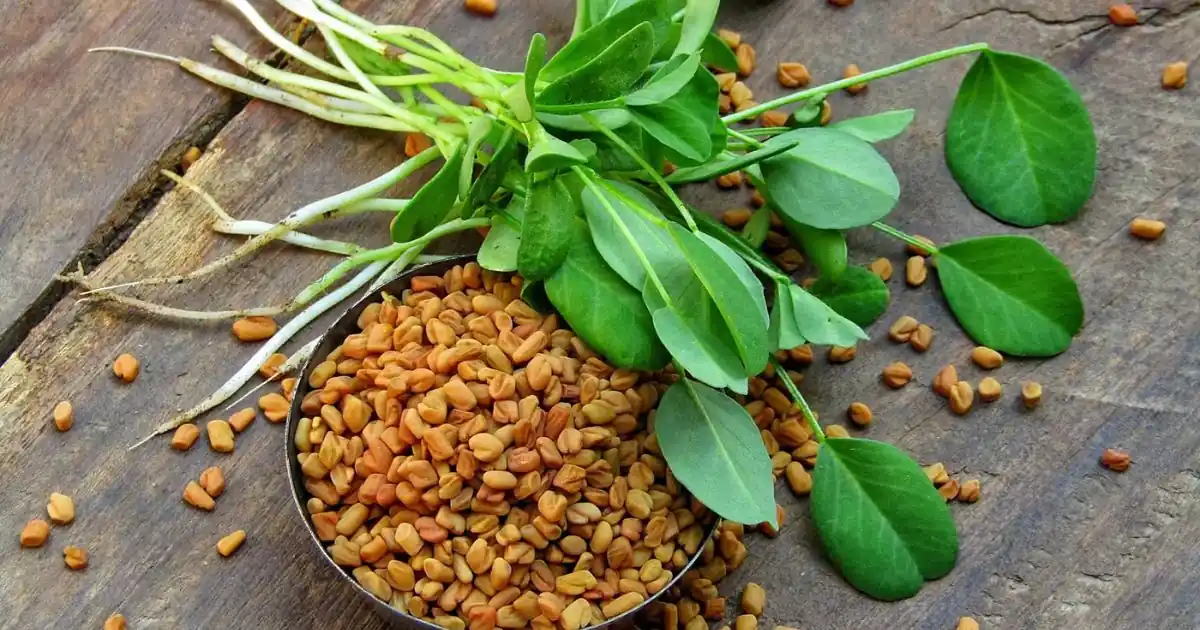
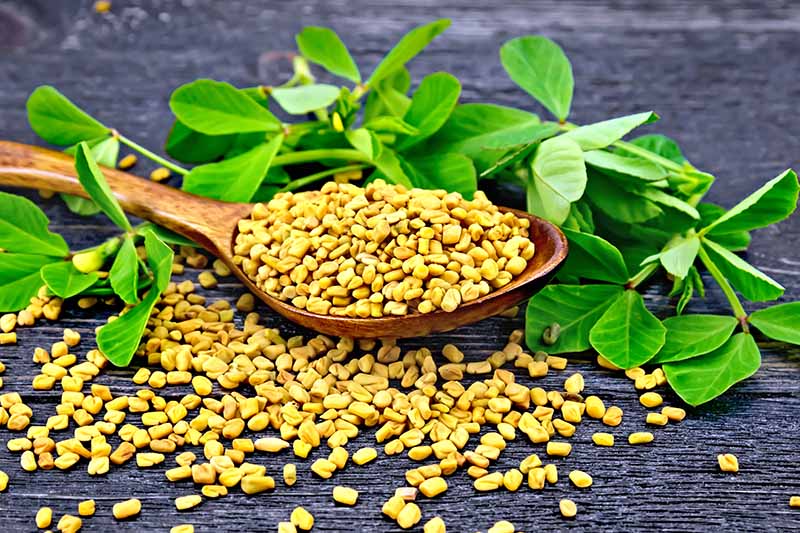
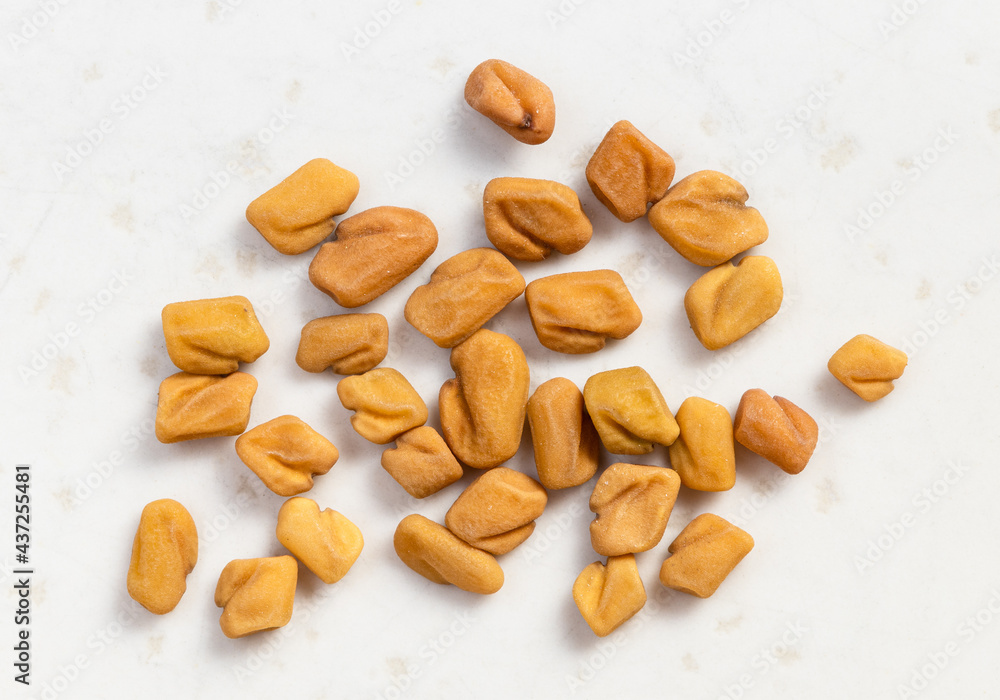
Fenugreek (Trigonella foenum-graecum) is an annual plant from the legume family, native to the Mediterranean region, Southern Europe, and Western Asia. The plant grows to about 12-24 inches tall, featuring small white or yellow flowers that develop into slender pods filled with hard, yellowish-brown seeds.
These seeds are the most commonly used part and boast a distinctive aroma and taste reminiscent of maple syrup or burnt sugar a blend of sweet, nutty, and slightly bitter notes. Historically, fenugreek appeared in ancient Egypt, where seeds were discovered in Tutankhamun’s tomb, used for embalming and healing. In Ayurvedic and traditional Chinese medicine, it has served for millennia as a tonic for digestion, hormone balance, and overall vitality. Nowadays, we cultivate foenegriek worldwide, especially in India, where it forms a staple ingredient in curry powders and dishes like methi.
Nutritionally, fenugreek packs fibers (such as galactomannan), proteins, iron, magnesium, vitamins A, B, C, and E, plus bioactive compounds like saponins, flavonoids, and 4-hydroxyisoleucine. These elements make foenegriek not just a flavour enhancer but also a potential superfood that aids various health aspects, from blood sugar regulation to anti-inflammatory effects.
Step-by-Step Guide: How to Use Fenugreek
You can easily incorporate fenugreek into your daily life, whether culinarily, as tea, or in supplement form. Follow these practical steps for the best results.
Step 1: Choose the Right Form
Purchase whole seeds, powder, fresh leaves (methi), or supplements from a reputable herb shop or online. Opt for organic quality to avoid pesticides.
Step 2: Prepare Fenugreek Tea
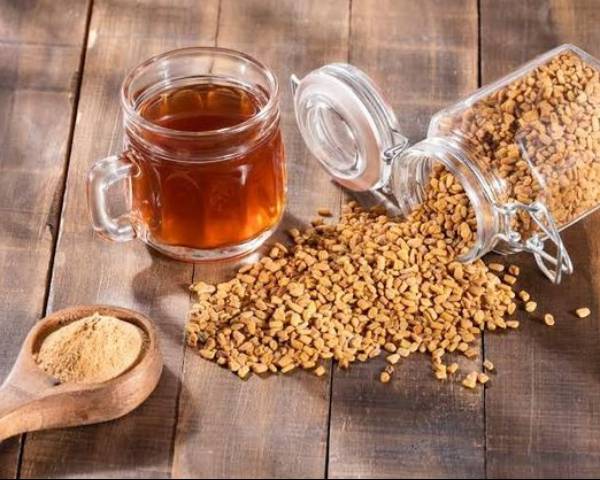
Take 1 teaspoon of whole or ground seeds and pour 1 cup (250 ml) of boiling water over them. Steep for 10-15 minutes, strain, and drink 1-3 cups daily. This approach works ideally for digestion or blood sugar support. Add honey or lemon to mellow the bitter taste.
Step 3: Soak the Seeds
Soak 1-2 teaspoons of seeds overnight in water. In the morning, drink the water and eat the swollen seeds. This provides ample fiber and helps with constipation or weight management.
Step 4: Integrate into Dishes
Lightly roast seeds in a dry pan to reduce bitterness, grind them into powder, and add to curries, bread dough, vegetable dishes, or spice blends like garam masala. Use fresh leaves in stir-fries or salads for a fresh, herbaceous touch.

Step 5: Use as a Supplement
Take capsules or extract (follow packaging, often 500-1000 mg daily) with meals, especially carbohydrate-rich ones for better blood sugar control. Start low and gradually increase.

Step 6: Topical Applications
Create a paste from powder mixed with water for hair or skin masks. Apply, leave on for 20-30 minutes, and rinse off for shinier hair or clearer skin.
Keep dosages moderate (5-25 grams of seeds daily) and consult a doctor if you take medications.
Advantages and Disadvantages of Fenugreek
Advantages
Fenugreek delivers impressive benefits, backed by traditional use and growing scientific evidence. It helps stabilize blood sugar levels by improving insulin sensitivity and slowing sugar absorption valuable for type 1 and 2 diabetes management. It boosts breast milk production by raising prolactin levels, increasing supply for nursing mothers.
For men, it may enhance testosterone and libido, while for women, it alleviates menstrual cramps and menopausal symptoms through phytoestrogens. Its high fiber content promotes healthy digestion, reduces constipation and bloating, and supports gut bacteria. It lowers cholesterol, aids heart health, and fights inflammation thanks to antioxidants. Additional perks include hair strengthening, skin improvement, and appetite regulation for weight control.
Disadvantages
Despite its advantages, foenegriek carries potential drawbacks. Excessive intake causes gastrointestinal issues like diarrhea, gas, bloating, or nausea. It imparts a maple syrup-like body odor, harmless but noticeable. Allergic reactions occur in those sensitive to nuts or legumes.
Pregnant women avoid high doses due to risks of contractions or birth defects; moderate use during breastfeeding remains safe. It interacts with blood thinners, diabetes medications, or hormone therapies, potentially causing bleeding or hypoglycemia. Always start low and seek professional advice for health conditions.
Frequently Asked Questions (FAQs)
1. What exactly is fenugreek and where does it come from?
Fenugreek is a herbaceous plant (Trigonella foenum-graecum) from the legume family, originating in the Mediterranean and Asia. People primarily use the seeds, which taste like maple syrup.
2. Does fenugreek help increase breast milk supply?
Yes, studies show that fenugreek boosts milk production by stimulating hormones like prolactin. Many mothers notice differences within days using tea or supplements.
3. Is fenugreek safe during pregnancy?
In culinary amounts, yes, but avoid higher medicinal doses they may trigger contractions. Always consult a doctor.
4. Can fenugreek help with diabetes?
Research indicates it lowers blood sugar and improves insulin sensitivity, but it does not replace medication. Use it alongside professional guidance.
5. What are the side effects of fenugreek?
Possible ones include stomach upset, gas, diarrhea, and a maple-like odor. Allergies remain rare but possible.
6. How much fenugreek can I use per day?
For cooking, unlimited, but medicinally 5-25 grams of seeds or equivalent in supplements. Start low and adjust.
Bonus: Deeper Insights into Fenugreek
Dive deeper, and you uncover how fenugreek contains saponins that accelerate cholesterol metabolism or how 4-hydroxyisoleucine directly stimulates insulin secretion. In Ayurveda, experts classify it as a warming herb that ignites digestion (agni). Recent studies explore its anti-cancer potential and neuroprotection in Alzheimer models. For athletes, it may improve glycogen recovery post-workout. Combine fenugreek with turmeric or black pepper for enhanced synergy. Always choose sustainable sources for maximum potency.
Conclusion
Fenugreek proves far more than a spice it serves as an ancient gift from nature that addresses modern health concerns in a natural, holistic way. From blood sugar balance and improved digestion to support for breastfeeding and hormonal harmony, this versatile herb provides broad benefits with relatively few risks when used responsibly.
By incorporating it step by step into your routine as tea, in meals, or supplements you experience its power firsthand. Remember: natural remedies like fenugreek perform best within a balanced lifestyle featuring healthy eating, exercise, and professional care. Try it today and discover how this simple herb transforms your well-being. With its rich history and promising future, fenugreek truly earns a spot in your health toolkit.