
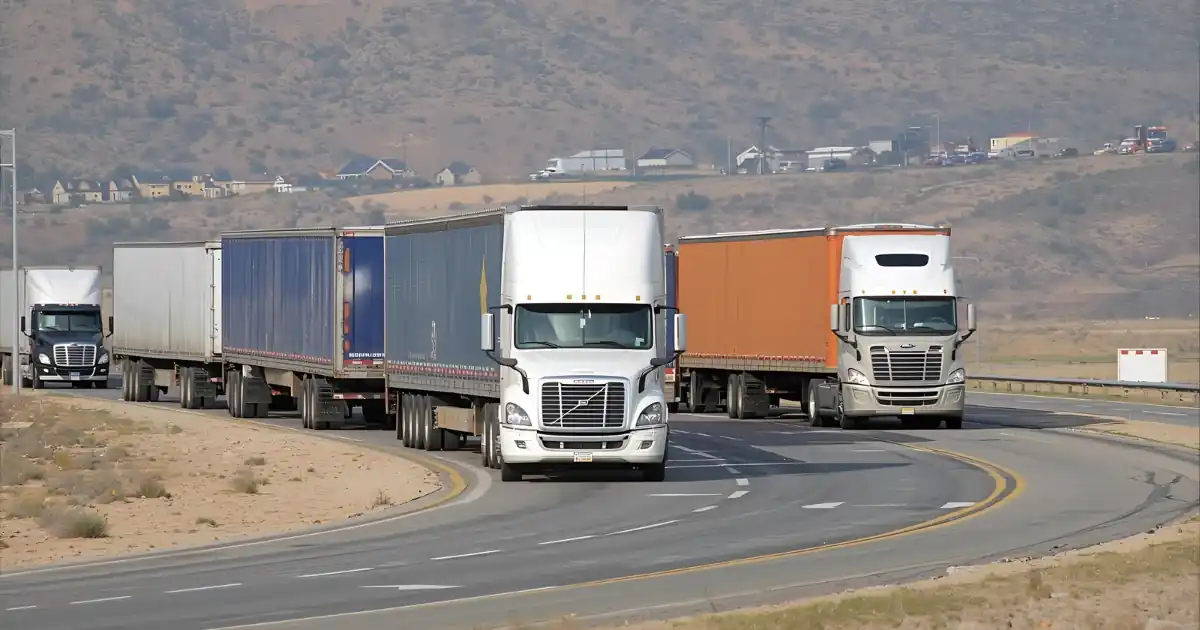
USDOT eliminates 52 regulations to streamline operations. This move targets outdated rules. It affects major agencies. Experts debate its effects. The change promises efficiency gains.
Transportation evolves rapidly. Regulations often lag behind. USDOT acts decisively. It cuts red tape. This fosters innovation. Safety remains a priority. Industry players adapt quickly.
Background of the Deregulation Initiative
President Trump leads the charge. His administration pushes deregulation. Executive orders guide the process. USDOT responds promptly. Secretary Sean P. Duffy announces the plan.
The announcement occurs on May 29, 2025. It involves 52 actions. These include rescissions and amendments. The goal eliminates burdens. Taxpayer savings follow naturally.
USDOT eliminates 52 regulations across agencies. This deletes 73,000 words. The federal rulebook slims down. Efficiency improves immediately. Stakeholders notice the shift.
Agencies Affected by the Changes
Federal Highway Administration leads with 16 actions. It rescinds old programs. Forest Highway Program ends. Management systems vanish. These rules outlived utility.
National Highway Traffic Safety Administration handles 16 items. It removes obsolete standards. Child restraint systems update. Roof crush resistance simplifies. Safety standards endure.
Federal Motor Carrier Safety Administration tackles 20 measures. It amends driver rules. Electronic logging devices change. Vision standards grandfathering disappears. Trucking adapts swiftly.
Each agency focuses on redundancies. USDOT eliminates 52 regulations strategically. This unifies the approach. Collaboration ensures smooth transitions. Industry compliance eases.
Key Changes in FMCSA Regulations
FMCSA repeals motor carrier routing. This rule dates back to 1995. It limits flexibility. Haulers gain freedom now. Construction materials move easier.
Certification labels for guards go away. Labels wear off quickly. Safety stays intact. NHTSA standards apply still. Enforcement shifts focus.
Retroreflective sheeting rules end for old trailers. Most comply already. Obsolete after 30 years. Visibility concerns arise minimally. Fleet managers reassess equipment.
Spare fuses requirement vanishes. Liquid-burning flares follow suit. Modern tech replaces them. Vehicles update standards. Drivers carry less gear.
Self-reporting of violations stops. Electronic exchanges handle it. CDL holders benefit. States receive data automatically. Compliance simplifies greatly.
Electronic DVIRs gain clarity. Drivers submit digitally. Paperwork reduces. Costs drop for carriers. Inspections speed up.
ELD manuals leave vehicles. Online access suffices. Space frees up. Operators train digitally. Tech adoption accelerates.
Railroad crossing exceptions add safety. Inactive warnings allow passage. Caution remains key. Accidents potentially decrease. Drivers follow new protocols.
Military personnel get CDL exemptions. Dual-status technicians qualify. Veterans transition faster. Workforce strengthens. Recruitment boosts.
Brakes on conveyors gain exceptions. Pre-2010 models comply conditionally. Operations continue safely. Industry saves on upgrades.
Auxiliary fuel tanks exempt small ones. Trailers not in motion qualify. Fuel management improves. Overfill restrictions lift. Efficiency rises.
Accident reporting definitions update. Medical treatment narrows. Reporting burdens lighten. Accuracy improves. Data quality enhances.
License plate lamps except truck tractors. Towing trailers changes rules. Visibility maintains. Enforcement adjusts. Compliance eases.
Tire load markings clarify. Sidewall requirements drop. Confusion ends. Safety holds firm. Manufacturers adapt.
USDOT eliminates 52 regulations in FMCSA. These target redundancies. Trucking industry transforms. Operations streamline. Profits potentially increase.
Updates in FHWA Rules
FHWA rescinds national significance projects. Evaluation ratings obsolete since 2015. Funding shifts elsewhere. Infrastructure focuses anew.
Bridges on federal dams lose rules. No funding in decades. Scope exceeds authority. Maintenance transfers responsibly.
Contract provisions for federal-aid end. Duplicative of statutes. Form FHWA-1273 not mandated. Bidding simplifies.
Appalachian contracts regulations go. Outdated and repetitive. Statutes cover needs. Regional development continues.
Forest Highway Program rescinds. Obsolete post-1982 acts. Other programs absorb. Access improves.
Management systems for parks vanish. Guidance handles now. National Park Service adapts. Roads maintain quality.
Forest Service systems rescind similarly. Guidance takes over. Efficiency gains. Bureaucracy shrinks.
Fish and Wildlife systems follow. Refuge roads update. Management streamlines. Conservation efforts persist.
Indian Affairs roads rescind. Outdated rules. Reliance shifts. Tribal infrastructure evolves.
Preliminary engineering repayment ends. IIJA rescinded it. Inoperative now. Planning frees up.
Advance construction procedures rescind. Unnecessary today. Projects accelerate. Funding flows better.
Performance measures for first period go. Period ended. Irrelevant now. Metrics focus current.
Equal employment program finalizes. Outdated but duplicative. Law covers it. Diversity maintains.
Geodetic markers rescind. Outside statutes. NOAA specs apply. Surveys continue accurately.
Management monitoring systems rescind. Part 500 removes. NPRM finalizes. Oversight modernizes.
Highway safety program withdraws NPRM. Changes unnecessary. Safety improves elsewhere.
USDOT eliminates 52 regulations in FHWA. Infrastructure benefits. Costs drop. Projects speed up. Public gains better roads.
NHTSA’s Deregulatory Actions
NHTSA removes phase-in reporting. Obsolete directives vanish. Compliance eases. Manufacturers focus innovation.
Recycle and Save Act procedures go. Outdated consumer assistance. Programs evolve. Recycling continues.
Steering control displacement updates. FMVSS 208 certification applies. Redundancy ends. Safety holds.
Glazing materials standards rescind pre-2006. Obsolete now. Modern rules prevail. Vehicles upgrade.
Door locks components obsolete. Requirements lift. Strength maintains. Crashes protect better.
Seating systems obsolete text removes. Standards update. Comfort improves. Injuries decrease.
Seat belt anchorages simplify. Unnecessary text goes. Security endures. Passengers stay safe.
Side impact protection obsolete. Rules amend. Vehicles strengthen. Collisions mitigate.
Roof crush resistance updates. Old standards rescind. Upgraded apply. Rollovers reduce.
Bus emergency exits obsolete. Requirements lift. Evacuations speed. Safety enhances.
School bus seating obsolete. Crash protection updates. Children secure better. Transport improves.
Fuel system integrity removes obsolete. Text cleans up. Leaks prevent. Fires minimize.
Compressed natural gas integrity phase-in ends. Directives obsolete. Containers secure. Alternatives grow.
Child restraint systems amend. Side impact protection updates. Dummies exclude certain. School bus CRSs exempt.
Motorcycle helmets withdraw NPRM. Definitions and processes unnecessary. Helmets standardize.
USDOT eliminates 52 regulations in NHTSA. Vehicle safety advances. Burdens lift. Innovation thrives. Roads become safer.
Benefits of the Deregulation
Efficiency surges across sectors. Red tape cuts deeply. Operations smooth out. Time saves daily.
Taxpayers gain from savings. Wasted dollars redirect. Infrastructure invests more. Economy boosts.
Industry complies easier. Rules clarify now. Confusion drops. Productivity rises sharply.
Safety compromises none. Changes target redundancies. Standards hold firm. Accidents prevent effectively.
Innovation encourages growth. Manufacturers experiment freely. Tech integrates faster. Future-proofing begins.
Military veterans integrate quickly. CDL exemptions help. Workforce diversifies. Shortages ease.
Electronic tools dominate. Paperwork vanishes. Digital shifts accelerate. Data flows seamlessly.
Routing flexibility increases. Haulers optimize paths. Deliveries speed up. Costs plummet.
Equipment rules modernize. Obsolete items discard. Fleets update efficiently. Maintenance simplifies.
USDOT eliminates 52 regulations for progress. Benefits ripple widely. Transportation transforms positively. Stakeholders applaud changes.
Concerns and Criticisms Raised
Safety advocates voice worries. Changes rush through. Justification lacks depth. Impacts need study.
Compliance ambiguities emerge. States vary rules. Conflicts arise potentially. Carriers navigate carefully.
Enforcement gaps appear. Labels remove. Inspections challenge. Officers adapt methods.
Retroreflective sheeting concerns older trailers. Visibility risks rise. Accidents might increase. Monitoring intensifies.
ELD manual removal confuses. Instructions still needed. Drivers train adequately. Failures prevent.
Roadside inspection forms burden. States request variably. Administrative loads persist. Solutions seek.
Rear impact guards enforce harder. Certification persists. NHTSA standards apply. Consistency maintains.
Driver fatigue risks heighten. Oversight reduces slightly. ELDs mitigate still. Vigilance remains key.
Expert P. Sean Garney warns. Burdens shift elsewhere. Gaps fill slowly. Industry prepares.
Truck Safety Coalition criticizes. Process hasty. Safety proofs insufficient. Advocacy pushes back.
Comment period allows input. 60 days open. Public responds actively. Adjustments possible.
USDOT eliminates 52 regulations amid debate. Concerns address proactively. Balance seeks safety and efficiency. Dialogue continues.
Future Implications for the Industry
Transportation adapts to changes. Rules evolve further. Deregulation trends continue. Innovation drives forward.
Trucking fleets modernize equipment. Obsolete rules fade. Investments flow in. Efficiency peaks.
Highways improve management. FHWA focuses core. Projects complete faster. Traffic flows better.
Vehicle safety standards advance. NHTSA innovates. Crashes decline steadily. Lives save annually.
Military integration strengthens workforce. Veterans contribute skills. Shortages alleviate. Diversity grows.
Digital tools dominate compliance. Paperless operations standard. Data analytics thrive. Insights gain depth.
Economic growth accelerates. Costs reduce industry-wide. Profits reinvest. Jobs create more.
Safety metrics monitor closely. Changes evaluate post-implementation. Adjustments make as needed. Standards uphold.
Stakeholders collaborate ongoing. Feedback loops establish. Regulations refine continuously. Progress ensures.
USDOT sets precedent. Other departments follow. Bureaucracy shrinks nationally. Efficiency becomes norm.
FAQs
What does USDOT eliminates 52 regulations mean for trucking safety?
USDOT eliminates 52 regulations without safety compromise. Changes remove redundancies. Core standards remain intact. Monitoring continues rigorously. Industry maintains vigilance.
Which agencies feel the impact of USDOT eliminates 52 regulations?
FHWA, FMCSA, and NHTSA experience changes. Each rescinds specific rules. Burdens lift strategically. Operations streamline across boards. Collaboration ensures cohesion.
How does USDOT eliminates 52 regulations affect military veterans in transportation?
CDL exemptions expand for military. Dual-status technicians qualify. Transition eases significantly. Workforce gains skilled drivers. Recruitment improves markedly.
What benefits come from USDOT eliminates 52 regulations in electronic logging?
ELD manuals leave vehicles. Online access suffices. Space and costs save. Digital adoption accelerates. Compliance simplifies daily.
Are there concerns with USDOT eliminates 52 regulations on vehicle inspections?
Ambiguities arise in states. Forms return variably. Enforcement adapts methods. Carriers train staff. Safety holds priority.
How will USDOT eliminates 52 regulations influence future rulemaking?
Trends favor deregulation. Efficiency drives changes. Feedback incorporates actively. Standards evolve thoughtfully. Innovation fosters growth.