
Hey kids! Find out what assimilation means with fun stories, simple examples from everyday life, and cool facts. Learn about culture, body, and brain in easy words.
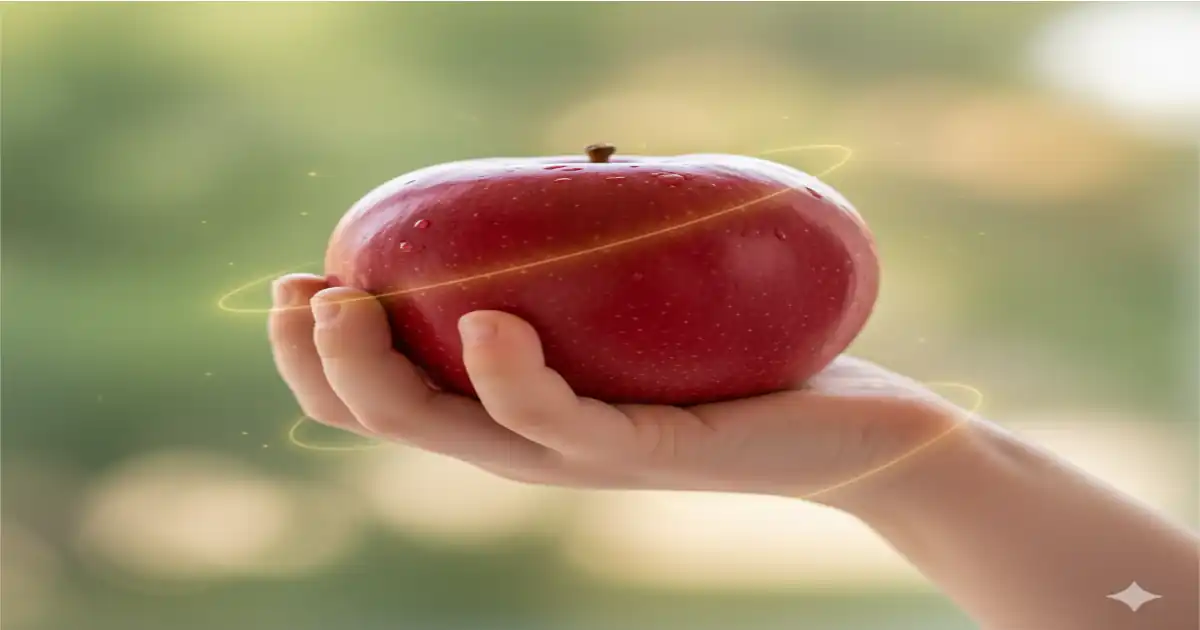
Imagine you eat an apple. Your body turns it into energy to run and play. That is one kind of assimilation! Or think about moving to a new school and learning new games with friends. You mix in while keeping your favorite things. Assimilation happens all around us every day.
3-5 Key Takeaways
- Assimilation means taking something new and making it part of you.
- It works in your body, culture, and when you learn.
- Good side: Helps you fit in and grow strong.
- Tricky side: Sometimes people lose special parts of themselves.
- Fun tip: Mix old and new like a yummy recipe.
What Assimilation Means
Picture a sponge soaking up water. The water becomes part of the sponge. Assimilation is like that. It comes from an old word that means “to make similar.”
You see it when your tummy takes in food. Or when kids from different places share toys and words. It helps things blend together smoothly.
Types of Assimilation
Assimilation comes in a few fun kinds. Each one fits a different part of life. Let’s look at them one by one.
Cultural Kind
This happens when people move to a new place. They learn the local ways. Like saying hello in a new language or trying new foods.
Kids might wear school uniforms even if they are different at home. Families celebrate new holidays but keep old stories too.
Biological Kind
Your body does this every meal. You eat bread. Your tummy breaks it down. Then it turns into power for your muscles.
Plants do it with sunlight. They take light and air. They make sweet sugar to grow tall leaves.
Psychology Kind
Think about learning to ride a bike. First, you know how to walk. You add bike skills to what you already know. Your brain mixes the new with the old.
A famous thinker named Jean Piaget studied this. He said kids build knowledge like stacking blocks. New blocks fit on top of old ones.
Linguistic Kind
Words change when people talk together. You hear a friend say “cool” a lot. Soon you say it too. Languages borrow from each other.
English has words from French like “ballet.” Over time, everyone uses them the same way.
Fun Real Examples
Stories make things stick. Here are true ones from life.
Take Italian families who came to America long ago. They brought pasta recipes. Kids went to school and spoke English. They ate pizza but added American cheese. Now pizza is everywhere!
In nature, look at your breakfast cereal. Milk pours in. Your body grabs vitamins. Those help your eyes see better.
History has a sad example too. Long ago, some leaders made Native American kids go to special schools. They had to cut hair short and speak only English. Many lost their old songs and games. It shows forced mixing can hurt.
A happy modern story: A girl from Mexico joins a class in Canada. She teaches everyone to make tacos. Friends show her hockey. Everyone shares and laughs.
Good and Bad Sides
Everything has two sides. Assimilation is no different.
Good parts first:
- You make new friends fast.
- Your body stays healthy and strong.
- Learning feels easier because new stuff fits old stuff.
- Groups work better together.
A study from Pew Research says most kids of immigrants speak the new language well in ten years. That helps them in school and jobs.
Now the tricky parts:
- You might forget grandma’s lullaby.
- Forced ways make people sad.
- Some feel like they do not belong anywhere.
- Unique foods or clothes disappear.
Balance is key. Keep the best of both worlds.
Vs Other Ways
People mix in different styles. Let’s compare.
Assimilation is like becoming the same. You drop old ways mostly.
Acculturation is sharing. You keep your dance but learn theirs too. Both change a bit.
Integration means living side by side. You speak your language at home. New one at store. Everyone respects differences.
Think of a salad. Assimilation melts cheese into sauce. Acculturation tosses veggies together. Integration keeps chunks separate but in one bowl.
Which is best? Depends on the family. Many like integration today.
Tips to Handle It
Life brings changes. Here is how to mix smart.
- Talk about your favorite traditions at dinner.
- Try one new food each week. Rate it with stars.
- Draw pictures of old home and new home. See what you love in both.
- Ask questions when something feels strange.
- Share a story from your culture with a friend.
Steps for kids moving schools:
- Smile and say hi first.
- Join a game at recess.
- Bring a snack from home to share.
- Tell a joke in the new way.
- Keep a special toy from old friends.
Parents can help. Read books about kids from everywhere. Cook meals together. Visit museums with history displays.
More Cool Facts
Plants assimilate carbon dioxide. They turn it into oxygen we breathe. One big tree makes air for four people daily.
In space, astronauts assimilate to zero gravity. Muscles get weaker. They exercise two hours a day.
Bees assimilate pollen. They mix it with spit. It becomes honey.
A fact from brain experts: Babies assimilate faces. They recognize mom fast. By six months, they know family smiles.
How It Works Today
World changes quick. Planes and internet help.
Kids video call cousins far away. They learn words from games online. Assimilation happens on screens now.
Jobs need new skills. Workers assimilate tech tools. Like learning apps for drawing or math.
Schools teach about many cultures. Classrooms have maps with flags. Everyone shares a fact about home.
Governments make rules. Some say learn the language to vote. Others let dual ways.
Trends show more blending. Food trucks mix tastes. Korean tacos or Indian pizza.
Body Assimilation Deep
Eat an orange. Juice goes to stomach. Tiny bits enter blood. Cells grab vitamin C. Skin glows. Eyes shine.
What if you eat too fast? Body works hard. Slow down. Chew twenty times.
Water assimilates quick. Drink after play. Feel energy return.
Bad foods? Sugar rush then crash. Choose apples over candy.
Culture Assimilation Steps
Step one: Arrive and watch. Step two: Copy small things like greetings. Step three: Join events. Step four: Add your twist. Step five: Teach others.
A boy from India in England. He learns cricket. Teaches cricket with curry picnic. New tradition born.
Brain Assimilation Play
Play a game. Close eyes. Remember your room. Add a red balloon. Brain assimilated the new idea.
Read a book. Hero flies. You dream of wings. Knowledge sticks.
Teachers help. Show pictures. Ask what you know. Build on it.
Language Fun
Say “hello” in five ways. English, Spanish, Chinese, Arabic, sign language. Practice with mirror.
Apps help. Hear words. Repeat. Assimilate sounds.
Songs stick. Sing happy birthday in two languages.
Challenges Real Talk
Some kids tease different clothes. Stand tall. Explain why special.
Adults worry about losing roots. Write family stories. Read yearly.
Communities help. Clubs for same background. Share food. Dance.
Experts say: Honor past. Embrace future. Strong identity grows.
Benefits Long Term
Kids who assimilate well do great in tests. Make diverse friends. Solve problems creative ways.
Bodies assimilate good food. Grow tall. Run fast. Think clear.
Societies with smart mixing invent more. Share ideas. Peace grows.
Stat: Countries with high immigrant assimilation have strong economies. World Bank reports.
Everyday Assimilation
Wake up. Brush teeth. New habit from parents.
School bell. Line up. Follow rule.
Lunch. Try veggie. Like it. Add to plate.
Home. Help cook. Learn recipe.
Bed. Read story. New words in mind.
All day mixing!
History Lessons
Romans assimilated conquered lands. Built roads. Shared laws.
America melting pot idea. Waves of people. Irish, German, Asian. Each added flavor.
Canada mosaic. Pieces stay visible. Pretty picture.
Australia now says welcome. Keep culture. Share too.
Future Look
Robots assimilate data. Learn from mistakes.
Humans assimilate with machines. Wear watches that count steps.
Kids assimilate climate facts. Recycle. Plant trees.
Virtual reality. Visit places. Assimilate feelings without travel.
Kid Voices
A nine-year-old says: “I moved. Scared first. Now best friends with kid from Brazil. We trade stickers.”
Another: “My body loves carrots. Eyes see stars at night better.”
Teacher: “Assimilation builds bridges in class.”
Parent Guide
Watch for signs. Happy sharing? Good. Hiding toys? Talk.
Books: “The Name Jar” about choosing identity.
Activities: Culture day at home. Dress up. Eat global.
Expert Words Simple
Sociologist: “Assimilation smooths society but keep sparks of difference.”
Biologist: “Cells assimilate molecules every second.”
Psychologist: “Safe assimilation grows confident kids.”
Wrap Up Fun
Assimilation is everywhere. Body, friends, brain, words.
Mix like a superhero smoothie. Your powers plus new ones.
Try this: Pick one new thing today. A word, food, game. Tell someone how it fits you.
Share your story. World gets brighter with every blend.
Frequently Asked Questions
What is assimilation in simple words?
Assimilation is when you take something new and make it part of what you already have or are. Like your body turning an apple into energy to jump and play, or a kid learning new playground rules while keeping favorite games from home. It helps things blend smoothly in everyday life, from eating lunch to making friends at school.
What are examples of cultural assimilation?
Think of families moving countries. Kids learn local songs in class but sing family tunes at bedtime. They eat school pizza yet help cook grandma’s soup on weekends. Over time, holidays mix—celebrating both old festivals with fireworks and new ones with lights. This sharing builds strong bonds while holding onto special roots passed down through stories and recipes.
How does assimilation work in biology?
Your tummy gets food like bread or fruit. It breaks bits into tiny pieces. Blood carries them to every part—muscles for running, brain for thinking, skin for glowing. Plants grab sunlight and air, turning them into sweet sap for leaves. Without this, nothing grows; it’s the secret magic keeping bodies and trees alive and kicking every single day.
What is the difference between assimilation and acculturation?
Assimilation means fully becoming like the new group, often letting go of old ways to fit in completely. Acculturation is a two-way street where both sides share and change a little, keeping unique parts alive. Picture melting into one color versus painting a rainbow together—both mix, but one keeps more original sparkles shining through.
Why is forced assimilation bad?
It pushes people to drop their special clothes, words, or dances against their wish, making hearts heavy and families split. Kids forget grandma’s tales, feeling lost between worlds. History shows it erases beautiful differences that make everyone unique. Gentle sharing builds happy bridges; force breaks them, leaving sadness instead of strong, proud identities.
What is assimilation in psychology?
It’s how your brain adds fresh info to what you already know, like stacking a new toy on your old pile without knocking it down. A child sees a dog, remembers cats at home, and fits “furry friend” idea. This grows smart thinking step by step, turning small knows into big understandings through play, books, and curious questions daily.