

Learn assimilasjon in fun, simple words – how people blend cultures, face challenges, and win big. Real tips, stories, and 2025 facts to help you fit in happy.
Hey friend! Picture this: You move to a new playground. The kids speak funny words and play new games. At first, you feel lost. But soon, you learn the rules, share your snacks, and everyone laughs together. That’s assimilation – mixing into a new group while keeping a bit of you. It happens with cultures, ideas, even food in your tummy! Let’s chat about it like we’re sharing juice boxes.
3 Key Takeaways
- Assimilation makes new places feel like home fast.
- It brings friends, jobs, and fun – but can tug at old memories.
- Small steps like learning words or joining games make it easy.
Why Care About Assimilation?
Think of the world as one giant school yard. Over 28 million people in the U.S. work far from where they were born. That’s one in every five grown-ups! They learn new ways to fit in, just like you learn hopscotch rules. When people blend well, teams get stronger, schools buzz with ideas, and neighborhoods throw the best parties.
Simple Definition of Assimilation
Assimilation means taking in something new and making it part of you. It’s like your body turns an apple into energy – yum! Or your brain fits a new fact into what you already know. But the big one? Cultures mixing until they feel like one big family.
Cultural Blending Basics
Imagine Maria from Mexico lands in Canada. She hears “eh?” a lot. She tries saying it. She learns hockey cheers. Soon, her lunchbox has poutine beside beans. That’s cultural assimilation – picking up new habits, words, and holidays. Most times, it happens because you want to join the fun.
Mind and Body Versions
Your brain does it too. You think dogs have four legs. Then you see a three-legged pup. Zap! Your brain adds the new idea without breaking old ones. Cool, right? And when you eat, your tummy grabs vitamins from carrots – that’s body assimilation. Nature’s way of saying “welcome aboard!”
History of How Cultures Mix
Long ago, big countries made rules. In the 1800s, kids from First Nations in Canada and Native tribes in the U.S. had to go to special schools. They could not speak their languages or wear their clothes. Teachers wanted everyone to act the same. It hurt hearts and erased stories. Today, we know forcing is wrong. Choosing to blend feels better.
Fast forward. Families move for jobs or safety. They pick what to learn – maybe English classes after work, maybe baseball on weekends. By the second kid in the family, everyone speaks two ways and eats pizza with kimchi. History shows gentle mixing wins smiles.
Good Sides of Fitting In
Blending opens doors. Kids make pals quicker. Grown-ups land better jobs. One study says if an immigrant picks an American-sounding name, pay can jump ten to fifteen percent! That’s extra ice cream money.
- Friends come easy when you cheer the same team.
- Bosses love when everyone understands the plan.
- You taste new foods – hello, bubble tea!
Tough Parts and Fixes
Sometimes blending pinches. You miss grandma’s songs. Or kids laugh at your lunch. Feeling alone stinks. But guess what? Most newcomers feel the same. Sharing fixes it.
Common Challenges
- Words trip you up – “bathroom” or “washroom”?
- Holidays feel empty without old treats.
- Old friends far away means quiet phones.
Smart Tips to Ease In
- Learn five new words each day. Stick them on your fridge.
- Bring your snack to school potluck. Watch eyes light up!
- Join one club – soccer, robots, art. Instant buddies.
- Keep one home tradition. Sing your lullaby at bedtime.
- Use free apps. They turn language lessons into games.
Compare assimilation to multiculturalism. Assimilation is like soup – everything mixes. Multiculturalism is salad – bits stay crisp but share the bowl. Pick what feels cozy.
Assimilation in 2025 World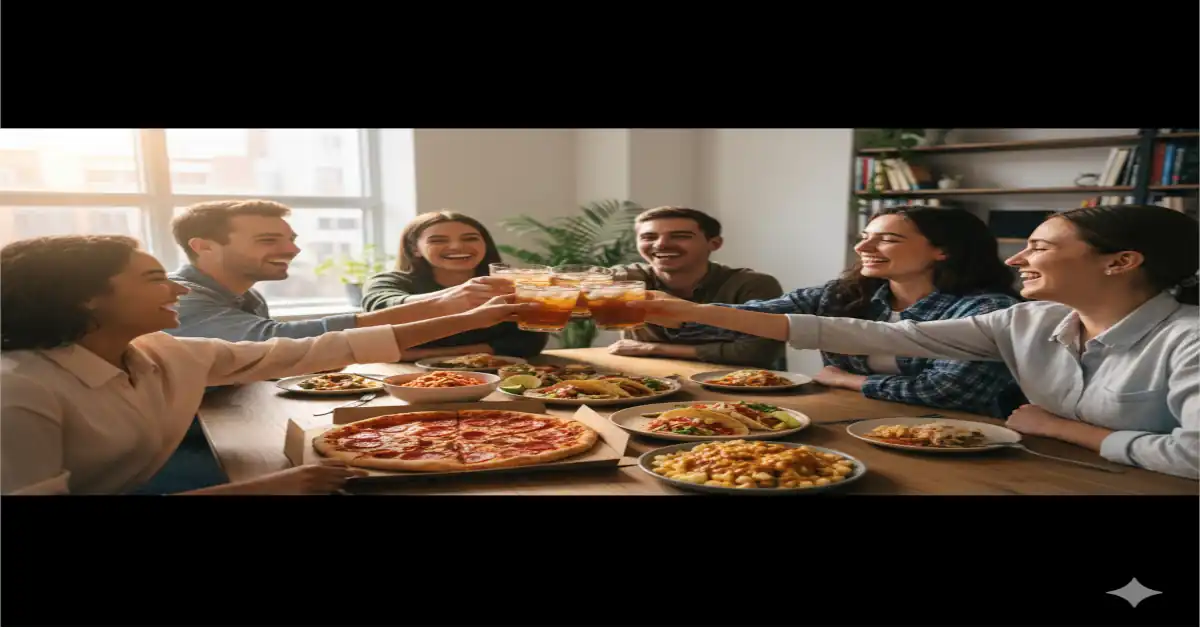
This year, borders got stricter. Fewer people moved, but those here shine bright. Tech helps huge. Phone apps teach slang in minutes. Virtual reality lets you “visit” new festivals from your couch.
Seventy percent of newcomers say online tools speed up fitting in. Workplaces want diverse brains – ideas from everywhere spark the best gadgets. One report says blended teams solve problems twenty percent faster. Your spice plus my tech equals tomorrow’s hit app!
Real Stories of Blending
Meet Leo, age ten, from Brazil to Norway. First winter, snow shocked him. He cried missing flip-flops. His teacher started “Culture Friday.” Leo taught samba steps. Classmates brought lutefisk. By spring, Leo wore boots and still danced barefoot inside. Now he leads the school parade.
Or take Sara, engineer from India in Texas. She joined a barbecue club. Smoke smelled strange, but ribs tasted great. She added masala. Neighbors asked for recipes. Sara’s boss noticed her easy chats with everyone. Promotion followed. Small bites of new life cook big success.
Frequently Asked Questions About Assimilasjon
What is cultural assimilation?
Cultural assimilation happens when people from one background slowly pick up the ways, words, and habits of a new place to feel part of it. Think learning local games or trying new holiday foods. It helps build friendships and shared understanding, though keeping some old traditions adds flavor to the mix. Many find it brings joy and opens doors at school or work.
Is assimilation good or bad?
Assimilation can be good when it opens jobs, friends, and fun adventures in a new home. It feels bad if it forces you to forget beloved family ways. The best path keeps your heart songs while adding new tunes. Choice and kindness make it a happy dance for everyone involved.
How long does assimilation take?
For basics like everyday talk, a few months of practice works wonders. Full comfort often takes one or two family generations. Kids pick up fast at school; grown-ups speed it with classes and neighbor chats. Friendly places and open hearts shorten the cozy-up time a lot.
What’s the difference between assimilation and integration?
Assimilation means fully mixing in until old ways mostly fade into the new culture soup. Integration keeps your special ingredients visible while stirring into the same big pot. Both build community; integration lets everyone taste unique flavors side by side.
Examples of assimilation today?
Newcomers download language apps and chat with locals online. They join community sports or cooking clubs. At work, they learn team lingo and share lunch recipes. In 2025, virtual reality tours help “visit” festivals before trying them live. Small daily steps weave tight community threads.
Forced vs. voluntary assimilation?
Forced assimilation, like old boarding schools banning home languages, stole joy and identity. Voluntary means you choose what to learn – maybe new slang, maybe weekend soccer. Choosing feels empowering and leads to real belonging without losing your sparkle. Kind choices grow the happiest homes.
Blending cultures is like making the world’s biggest friendship bracelet. Each bead is a story, a word, a laugh. Add your color. Share the pattern. The bracelet gets stronger and prettier. Start today – say one new hello, taste one new snack. Watch your world glow!